
Tracheal Shave in Beverly Hills
Welcome to Top Surgery Art
Tracheal Shave in Beverly Hills
An Adam’s apple is a feature that generally develops in males during puberty as the thyroid cartilage enlarges. In women, this cartilage is usually smaller and less visible.
For many transgender women, a prominent Adam’s apple can feel inconsistent with gender identity. Hormone therapy does not reduce this cartilage, so the contour often remains unchanged.
A tracheal shave reduces the prominence of the thyroid cartilage to create a smoother, more feminine neckline. At Top Surgery Art in Beverly Hills, Dr. Ashu Garg with over 23 years of experience, performs this procedure with a focus on safety, balance, and natural results as part of gender-affirming care.
What Is a Tracheal Shave?

A tracheal shave is a surgical procedure that reduces the prominence of the thyroid cartilage, commonly known as the Adam’s apple. The goal is to create a smoother neck profile that appears softer and more feminine while preserving vocal function.
During the procedure, a small incision is made in a discreet location, often within a natural skin crease under the chin. The excess cartilage is carefully reduced without disturbing the vocal cords.
Unlike procedures that change the voice, a tracheal shave focuses strictly on external contour. Hormone therapy may influence fat distribution and skin texture, but it does not reduce cartilage size. This surgery addresses that specific structural concern.
Are You a Good Candidate for Tracheal Shave in Beverly Hills?
Good candidates for tracheal shave surgery often include individuals who have:
- Good overall health
- Stable expectations about achievable results
- Noticeable thyroid cartilage prominence
- Completed or stabilized hormone therapy, when applicable
- A desire for a smoother neck contour as part of facial feminization
Some patients benefit from combining a tracheal shave with other facial feminization procedures. During the consultation, Dr. Garg evaluates each person’s anatomy and goals to determine the best surgical approach.
The Tracheal Shave Procedure at Top Surgery Art
At Top Surgery Art, Dr. Garg performs tracheal shave surgery with meticulous attention to both aesthetic outcomes and safety.
- Initial Assessment
The process begins with careful examination of neck anatomy, cartilage prominence, and skin quality. Dr. Garg discusses realistic outcomes based on individual anatomy and takes photographs for surgical planning.
- Anesthesia Administration
The procedure typically uses local anesthesia with sedation, though general anesthesia may be preferred for patient comfort or when combining with other procedures.
- Incision Placement
Dr. Garg makes a small incision, usually 2-3 centimeters, positioned within a natural neck fold to minimize visible scarring.
- Cartilage Reduction
Using specialized instruments, Dr. Garg carefully exposes the thyroid cartilage and precisely shaves the prominence while preserving the integrity of the larynx and vocal cords.
- Closure and Dressing
The incision is closed with fine sutures, and a light dressing is applied to protect the surgical site during initial healing.
The entire procedure typically takes 30-60 minutes when performed alone.
Tracheal Shave Safety Standards at Top Surgery Art
Safety remains important to every surgical procedure. Modern tracheal shave techniques include:
- Precise visualization of cartilage structure
- Conservative cartilage reduction to protect vocal function
- Meticulous handling of surrounding tissues
- Structured post-operative monitoring
During consultation, potential risks, realistic expectations, and recovery guidelines are reviewed thoroughly. Clear education supports informed decision-making before surgery.
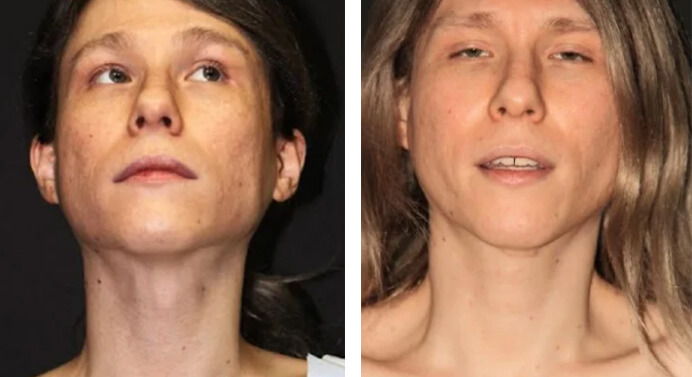
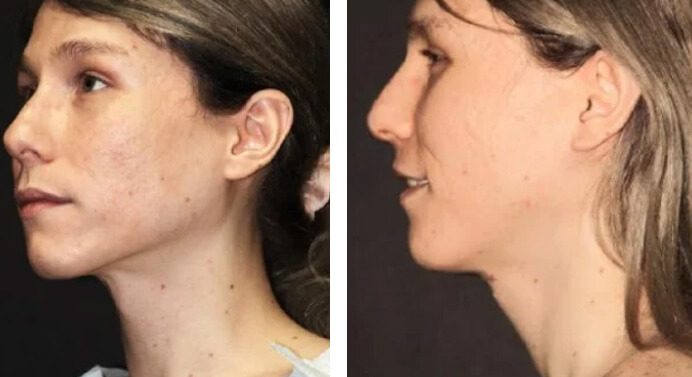
Tracheal Shave Before and After Gallery
Real patient results help illustrate the subtle yet meaningful changes achieved through tracheal shave surgery. A smoother neckline can significantly enhance facial harmony and overall gender alignment.
Recovery After a Tracheal Shave
Recovery from tracheal shave surgery is generally straightforward. Swelling and mild soreness in the neck are common during early healing.
- First Week
Swelling and tenderness are most noticeable during the first several days. Keeping the head elevated and limiting strenuous activity supports healing. Temporary hoarseness may occur but typically resolves as swelling decreases.
- Weeks 2 to 4
Swelling gradually improves. Most daily activities can resume based on comfort level. The incision continues to mature and soften.
- Long-Term Healing
Final contour becomes more visible as swelling resolves completely. Scar appearance continues to improve over several months. Proper scar care helps support optimal cosmetic results.
Ready to get started?
Cost of Tracheal Shave in Beverly Hills
There are several factors that influence the total cost of tracheal shave surgery:
- Surgical complexity based on cartilage prominence
- Anesthesia type selected
- Operating facility fees
- Whether combining with other procedures
- Post-operative care requirements
During consultation, Dr. Garg provides detailed pricing based on individual surgical needs and goals.
About Our Clinic
Why Choose Dr. Garg for Tracheal Shave in Beverly Hills?

Choosing a surgeon for tracheal shave surgery requires experience in both aesthetic contouring and transgender care. In Beverly Hills, Dr. Garg is known for performing gender-affirming procedures with careful attention to structure, safety, and natural balance. His background in cosmetic surgery allows him to approach neck contouring with precision rather than aggressive reduction.
Dr. Garg is a Diplomate of the American Board of Cosmetic Surgery and a member of WPATH, reflecting formal training and commitment to established standards in transgender health care. Surgical planning is individualized, with detailed evaluation of cartilage anatomy, scar placement, and long-term results.
Patients throughout Beverly Hills and the greater Los Angeles area seek Dr. Garg for his structured consultations, clear communication, and consistent surgical technique. The goal is not simply to reduce cartilage, but to create a smoother neckline that fits naturally with facial features and overall gender presentation.
Financing and Payment Options
Financial considerations shouldn’t prevent access to gender-affirming surgery. Various financing plans are available to make tracheal shave surgery more affordable through manageable monthly payments.




Book Your Consultation in Beverly Hills
A tracheal shave is a highly personal decision that requires thoughtful planning and medical expertise. At Top Surgery Art in Beverly Hills, consultation includes a full discussion of anatomy, surgical approach, safety considerations, and expected outcomes. Scheduling an appointment is the first step toward a smoother, more aligned neckline.
Follow Us For Updates
Frequently Asked Questions
Still need help? Give Us a Call
Where is the incision placed for a tracheal shave?
The incision is usually placed in a discreet area, often within a natural skin crease under the chin or directly over the cartilage in a carefully chosen location. Placement depends on anatomy and visibility concerns. The goal is to keep the scar as subtle as possible once healing is complete.
How long does a tracheal shave procedure take?
Tracheal shave surgery typically takes about one to two hours, depending on anatomy and whether it is combined with other facial feminization procedures. It is often performed as an outpatient procedure, meaning patients return home the same day.
Can tracheal shave be combined with facial feminization surgery?
Yes. Many patients in Beverly Hills choose to combine tracheal shave with facial feminization procedures such as rhinoplasty, jaw contouring, or brow reshaping. Combining procedures can reduce overall downtime and create more balanced facial harmony. Surgical planning determines if combination treatment is appropriate.
Is tracheal shave covered by insurance?
Insurance coverage varies depending on the provider and whether the procedure is considered medically necessary under a gender-affirming care policy. Some plans may offer partial or full coverage. Verification with the insurance carrier and consultation with the surgical office helps clarify eligibility.
At what age can someone undergo a tracheal shave?
Tracheal shave surgery is typically performed on adults once cartilage growth has stabilized. In most cases, patients must be at least 18 years old. Medical history, emotional readiness, and overall health are reviewed during consultation before moving forward.